


False alarms from security monitoring systems can become a frequent frustration for businesses in Melbourne. These unexpected disturbances often disrupt operations, causing unnecessary stress and may lead to fines, especially if the local authorities get involved. Understanding why these false alarms occur is the first important step in addressing and preventing them.
For many businesses, the concern lies not only in the disruption but also in the potential loss of productivity and resources. Each time a false alarm sounds, it calls for a response, sometimes quite literally sending security personnel racing across town. This can lead to a wastage of time and energy that could be spent growing the business. To effectively manage this issue, it’s critical to know what causes these false alarms and how to address them swiftly.
There are several key factors that can lead to false alarms in security systems. Knowing these can help in both preventing and dealing with them more effectively.
1. Environmental Factors: Changes in temperature or unexpected weather conditions can trigger alarms. For instance, a strong wind or even a passing thunderstorm might cause sensors to react.
2. User Error: Simple mistakes like entering the wrong code or not closing doors properly can lead to false activations. Sometimes staff might forget to turn off the system before entering, setting off alarms unintentionally.
3. Technical Malfunctions: Equipment failures or bugs in the software can sometimes lead to false alerts. Regular maintenance is key in identifying these potential issues before they become bigger problems.
Understanding these causes is crucial as it helps businesses take proactive measures. For example, checking the system’s sensitivity settings might prevent wind or minor temperature changes from setting off the alarm. Employee training can reduce user errors, and scheduled system audits can catch technical faults early.
When a false alarm goes off, knowing the right steps to take can save time and hassle. Here’s a checklist to follow:
– Verify the Alarm: Check the security feed and verify if there is an actual threat or if it’s a false alarm.
– Contact the Security Provider: Notify them about the alarm so they are aware and can assist if needed.
– Document the Incident: Record the time, cause (if known), and any other relevant details to help with future incident reviews.
– Reset and Secure the System: Once it’s confirmed that it’s a false alarm, reset the security system and make sure everything is properly secured.
– Review and Address Causes: If possible, identify immediately what triggered the false alarm and address it to prevent future occurrences.
By following these steps, businesses can ensure a swift response to false alarms, minimise disruption and maintain operational efficiency.
Preventing false alarms starts with adopting a few simple practices and being consistent with them. Here are some useful tips to keep your security system functioning smoothly without unnecessary interruptions:
– Regular System Maintenance: Schedule frequent checks and tune-ups of your security equipment. This ensures that all components are working as they should and helps to catch any potential issues before they result in false alarms.
– Update User Credentials: Ensure that everyone who needs access to the security system has up-to-date credentials. Outdated or incorrect codes can often lead to accidental triggers.
– Environmental Adjustments: Consider how your environment might affect the system. For example, moving sensors away from windows or areas that experience high wind activity can prevent unwanted activations.
– Employee Training: Provide your staff with training on how to properly use the security system. Simple mistakes can be avoided if everyone knows the alarm procedures and the importance of checking entries and exits.
These steps not only reduce the frequency of false alarms but also contribute to a more secure and efficient workplace. Implementing them can save considerable time and resources and offer peace of mind by maintaining a reliable security protocol.
Engaging professional monitoring services can be a game-changer in managing false alarms. These experts offer real-time surveillance and analysis, reducing the chance of false alarms going unnoticed or unaddressed.
Security services come with a variety of benefits:
– Expert Evaluation: Professionals can assess your current setup, identify vulnerabilities, and suggest improvements tailored to your needs.
– Reduced Response Time: With access to instant alerts and live updates, they can respond quicker to any potential issues, minimising disruption to your business.
– Comprehensive Reports: Documentation and analysis after any alarm event help in making informed decisions in the future, enhancing the overall safety of your premises.
Having a professional crew handle the complexities of monitoring allows you to focus on what you do best — running your business. Their expertise ensures that your systems aren’t just functioning, but functioning optimally.
False alarms, though often minor, can have a ripple effect on daily operations, affecting productivity and causing unnecessary stress. Understanding their causes and adopting preventive measures is a solid strategy for long-term peace of mind.
A professional team not only helps in minimising false alarms but also supports a more secure and streamlined business operation. With their help, you can ensure that your security system serves its purpose effectively, safeguarding both people and assets while maintaining a calm, interruption-free environment. By addressing false alarms proactively, businesses in Melbourne can maintain safety and efficiency without the extra headache.
To tackle the challenges of managing false alarms and improve your overall safety strategy, consider ItVisions’s security monitoring services. With expert support and real-time oversight, we help keep your systems reliable, minimise disruptions, and provide peace of mind across your Melbourne operations.

As businesses grow, the complexity of managing technology increases. Without expert guidance, navigating these challenges can become overwhelming. Technology consulting provides businesses with the expertise needed to manage and optimise their IT infrastructure. It helps identify areas of improvement and aligns technology with business goals.
By leveraging the expertise of consultants, companies can protect their data and ensure long-term success.
Technology consulting is all about helping businesses use technology effectively. Consultants examine your current IT setup and provide expert advice on how to improve it. They offer a variety of services such as system integration, cloud migration, and hardware and software management. The goal is to ensure your technology aligns with your business objectives and enhances overall performance.
These consultants evaluate existing systems and recommend new technologies that can meet evolving demands. They strategise on implementing solutions that reduce costs and improve efficiency. With expert guidance, businesses can leverage technology to streamline operations and boost growth.
Different industries can benefit from technology consulting in unique ways. In the mining and resources sector, for example, consultants introduce advanced technologies like IoT and data analytics to enhance operational visibility and safety. Meanwhile, companies focused on cloud solutions gain insights into deploying scalable infrastructure that supports a flexible workforce.
Benefits of technology consulting include:
– Improved Efficiency: By optimising workflows and automating repetitive tasks, businesses can increase productivity.
– Cost Savings: Identifying cost-effective solutions and technologies helps reduce operational expenses.
– Increased Innovation: Access to the latest tech insights encourages continuous improvement and innovation.
– Competitive Advantage: With tailored strategies, businesses can stay ahead in a constantly evolving market.
Operational efficiency is crucial for business success. Technology consultants identify bottlenecks and inefficiencies in processes, providing strategies for improvement. By analysing workflows and data usage, consultants help streamline operations and eliminate wasted resources.
One way to achieve this is through process automation. Automating repetitive tasks frees up valuable employee time and reduces human error. Another approach is enhancing collaboration tools, ensuring teams communicate effectively and efficiently, which is essential for success.
Once inefficiencies are identified, implementing tailored solutions becomes essential. Technology consultants design custom strategies that address specific business needs. This might involve adopting cloud-based systems for better data access or deploying advanced analytics for insightful decision-making.
List of tailored solutions:
– Cloud Integration: Moving to cloud-based platforms simplifies data management and enhances flexibility.
– Collaboration Tools: Implement tools like Microsoft Teams or Slack for improved team communication and project tracking.
– Process Automation: Adopt robotic process automation (RPA) to optimise routine tasks.
– Data Analytics: Use advanced analytics tools to gain insights into business performance and customer behaviour.
By adopting these solutions, companies can significantly boost productivity and ensure that their operations are both efficient and effective, ultimately leading to better business outcomes.
Staying ahead in technology is vital for businesses wanting to remain competitive and efficient. Adapting to new technologies means better meeting customer demands and improving service delivery. Technology consulting helps businesses identify the most relevant technologies and incorporate them into their operations. Examples include artificial intelligence for predictive analytics or IoT devices for real-time monitoring in resource management.
Adapting doesn’t just involve acquiring new tools; it requires integrating them effectively with existing systems. Consultants help ensure seamless transitions and minimal disruption, setting your business up for ongoing success. Understanding which technologies offer the best return on investment is crucial, and expert guidance can make this process both clear and manageable.
Planning strategically ensures businesses are not left behind as technology evolves. Technology consultants work with companies to create long-term plans that align tech adoption with business goals. This involves assessing current capabilities, forecasting future needs, and developing a roadmap to achieve these goals.
Key elements of strategic technology planning:
– Assessment of Current Systems: Evaluate existing technologies and infrastructure to determine upgrades or replacements needed.
– Future Tech Integration: Identify future technologies that will align with and enhance your business model.
– Capacity Building: Ensure staff training and development for effective use of new tools.
– Risk Management: Anticipate and mitigate potential risks associated with technological changes.
Such planning not only supports growth but also ensures resilience in a constantly shifting technological landscape.
Cybersecurity is a significant concern for businesses of all sizes. As cyber threats become more sophisticated, it’s crucial to have robust security measures in place. Technology consultants specialise in identifying vulnerabilities within your systems and recommending solutions to address them. This might include implementing firewalls, encryption technologies, and intrusion detection systems to protect sensitive data.
Regular security audits and updates are also part of a comprehensive strategy to defend against potential breaches. By staying proactive about cybersecurity, businesses can avoid costly data breaches and maintain customer trust.
Compliance with industry standards is not just a legal obligation but an essential part of safeguarding a business’s reputation. Technology consultants help navigate complex regulations, ensuring your systems meet necessary standards. They provide guidance in implementing compliance frameworks like GDPR or ISO standards, depending on your industry requirements.
Steps to achieve compliance:
– Policy Development: Create clear policies that align with legal and regulatory requirements.
– Regular Training: Educate staff on compliance practices and the latest regulatory changes.
– Documentation and Reporting: Maintain detailed records to demonstrate compliance efforts effectively.
These measures help ensure your business not only meets legal obligations but also builds a culture of security and trust.
Technology consulting is key to leveraging the full potential of your IT systems and driving business success. By adopting emerging technologies and creating robust strategies, businesses remain agile and resilient in a competitive landscape. Additionally, focusing on cybersecurity and compliance ensures that operations are secure and trusted by clients and partners alike. Engaging with experts enables businesses to make informed decisions and keep ahead of industry trends.
For a competitive edge and continuous growth, consider technology consulting with ItVisions. Our team helps businesses navigate the complexities of technology, providing tailored solutions that boost performance and secure vital operations. Reach out today to learn how we can support your journey to success.


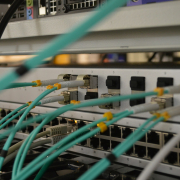
Network problems can be a headache, but fixing them doesn’t have to be complicated. With a few easy steps, many common issues can be resolved quickly, helping your business run smoothly. From fixing connectivity hiccups to speeding up a sluggish network, understanding the basics of troubleshooting makes a big difference.
Whether you’re dealing with Wi-Fi that keeps dropping out, slow internet speeds, or security vulnerabilities, there are straightforward solutions you can try. Improving network performance not only enhances productivity but also ensures that your digital environment remains secure and efficient.
Managing network devices effectively is another important aspect. Keeping them updated and organised helps prevent disruptions and optimises performance. By tackling these common network challenges with simple fixes, you can maintain a reliable and secure network infrastructure.
Network connectivity issues can disrupt workflow and cause frustration. The first step in troubleshooting is identifying the root of the problem. Common connectivity issues include unstable Wi-Fi signals, dropped connections, and no internet access. These issues can stem from hardware faults, configuration errors, or interference from other devices.
For instance, physical barriers like thick walls can weaken Wi-Fi signals while crowded frequencies from multiple devices can cause signal interference. Similarly, faulty cables or ports may lead to Ethernet connection problems. Recognising these common problems helps in narrowing down the cause and leads to finding effective solutions.
Once you’ve identified the issue, try these simple fixes to restore connectivity:
– Move your router to a central location away from obstructions.
– Change the Wi-Fi channel to a less crowded one using your router settings.
– Ensure the router’s firmware is up to date.
– Restart your modem and router to refresh the connection.
– Check for local service outages with your provider.
– Inspect the cables and connect them securely.
– Try using a different Ethernet port or cable.
– Test the connection with another device to rule out hardware problems.
With these quick fixes, you can often resolve connectivity issues without needing extensive technical support, keeping your workplace running smoothly.
Slow network speeds can hinder productivity, especially in environments that heavily rely on cloud services and online communication. Understanding what causes these slowdowns is key to resolving them. Several factors can contribute to this issue:
– Bandwidth Congestion: Heavy use during peak hours or multiple devices streaming data simultaneously can overcrowd the network.
– Poor Network Configuration: Misconfigured routers or outdated equipment can cause inefficiencies.
– External Interference: Nearby electronic devices or even physical barriers can interfere with wireless signals.
– Software Glitches: Outdated software on devices can also slow down processes by consuming unnecessary resources.
Improving your network speed doesn’t always require drastic changes. Here are some effective solutions to try:
– Schedule large downloads or updates during off-peak hours.
– Limit streaming or bandwidth-heavy applications when performing important tasks.
– Ensure routers and modems are up-to-date and support the latest standards, like Wi-Fi 6.
– Replace worn out or outdated cables and hardware.
– Prioritise important traffic using Quality of Service (QoS) settings in your router.
– Reduce interference by switching your network to a 5GHz band if available.
Improving network speeds through these measures can enhance efficiency and ensure that tasks requiring consistent connectivity are completed without interruption.
Protecting your network from cyber threats is crucial for maintaining the integrity of your data. Start by recognising potential security vulnerabilities. Weak spots often include default passwords, outdated software, and insecure network configurations. Unpatched systems can be an open door for cyber attacks, while having too many permissions set on shared folders may expose sensitive information. Identifying these vulnerabilities is the first step in safeguarding your network.
Unsecured wireless networks can also pose a threat, allowing unauthorised users to access your system. Conduct a comprehensive review to identify where these weaknesses exist and assess the potential impact of each.
Once you’ve identified vulnerabilities, applying basic security measures can drastically reduce risks:
– Change Default Credentials: Always set strong, unique passwords for all devices and encourage regular updates.
– Regular Software Updates: Ensure all software, including antivirus and firewall solutions, is up-to-date to defend against the latest threats.
– Network Configuration: Secure your Wi-Fi with the latest encryption methods like WPA3. Disable WPS to prevent easy access by unauthorised users.
– Access Controls: Limit network access to authorised personnel and set user permissions judiciously.
By implementing these measures, you’ll build a strong defence against cyber threats, keeping your data safe and your network secure.
Proper management of network devices ensures consistent performance and reduces downtime. Start by keeping all devices, including routers, switches, and user equipment, updated with the latest firmware. These updates often include fixes for known bugs and security patches.
Organisation is also key. Label your devices clearly and document network settings, configurations, and IP addresses. This makes troubleshooting and network expansion much easier. Regularly audit devices to remove obsolete or unnecessary equipment, streamlining system management.
Ensuring that all devices operate efficiently can significantly improve overall network performance. Here are some tips:
– Regular Maintenance: Clean and check devices periodically for dust build-up or damage that could affect performance.
– Resource Monitoring: Use performance monitoring tools to keep tabs on resource use and detect bottlenecks.
– Configuration Review: Periodically assess network settings to ensure they are still optimal for current needs.
By managing devices properly, you can prevent many common issues and maintain a reliable network that meets your operational requirements.
Maintaining a robust network is vital for seamless operations in any modern workplace. By understanding common connectivity issues and implementing straightforward solutions, you can keep your network running smoothly. Addressing security vulnerabilities is equally important, helping to safeguard your business from potential cyber threats. Ensuring your network devices are managed effectively allows you to optimise performance and keep everything organised and updated.
For businesses looking to improve their IT systems, it’s critical to have a strong network foundation. This not only boosts efficiency but also ensures your infrastructure is prepared for future challenges. As technology advances, staying updated with best practices will help your business thrive in an ever-evolving digital landscape.
Ready to strengthen your network and improve your IT systems? ItVisions is here to help. Our expertise in network solutions can address your specific needs, ensuring your business stays connected and secure. Reach out to us today to learn how we can support your business goals and keep your operations running smoothly.

Technology is transforming workplaces into more efficient and flexible spaces. With the right tech upgrades, businesses can boost connectivity and enhance collaboration among team members, whether they’re in the office or working remotely. These changes not only make daily operations smoother but also prepare companies for future challenges by ensuring they stay agile in an ever-evolving digital landscape.
A strong tech foundation involves updating network infrastructure and adopting tools that facilitate seamless communication. Security is also crucial as companies move more operations online, necessitating advanced measures to protect data. Embracing automation helps streamline tasks and frees up valuable time for your team to focus on strategic activities.
Flexible work environments are becoming the norm, and modern technology supports this shift by offering tools that facilitate remote and hybrid work models. By embracing these changes, businesses can create a workspace that is functional and empowering for their employees.
A strong network infrastructure is essential for any modern workplace. It acts as the backbone, allowing for smooth communication and data transfer. To improve connectivity, consider upgrading to a high-speed fibre-optic internet. This ensures stable and fast internet access, accommodating more users and devices without slowing down the process.
Additionally, implementing a robust Wi-Fi system with strategic placement of access points extends reliable connection across all areas of the office. This setup prevents dead zones and minimises interruption during important tasks.
Invest in network switches and routers that can handle increased data loads. Look for features such as Quality of Service (QoS), which prioritises critical tasks or applications, ensuring they get the bandwidth needed.
Maintaining network health is crucial. Use system monitoring tools to track performance and detect issues before they escalate. This helps in making informed decisions about when further upgrades may be necessary.
With remote work becoming common, equipping teams with the right tools is vital for seamless collaboration. Video conferencing platforms, like Zoom or Microsoft Teams, enable face-to-face meetings no matter where your team is located. These tools support chat, file sharing, and integrated calendars to streamline communication.
Project management tools such as Trello or Asana help in organising tasks and deadlines. They allow team members to track progress and stay on top of their responsibilities with ease.
For document collaboration, services like Google Workspace or Microsoft 365 offer cloud-based solutions. These allow multiple users to work on documents simultaneously, ensuring everyone has access to the latest version.
Equipped with the right tools, teams can communicate effectively and maintain productivity levels whether they’re working in the office or from home.
As cyber threats become more sophisticated, businesses need to boost their defences. Start by implementing a firewall and antivirus software to guard against malware and unauthorised access. Regularly updating these systems keeps them effective against the latest threats.
Consider using multi-factor authentication (MFA) for all user accounts. MFA adds an extra layer of security by requiring additional verification steps, such as a code sent to a mobile device, making it tougher for unauthorised users to gain access.
Employee training is pivotal. Educate your staff about recognising phishing attacks and the importance of safeguarding sensitive information. Awareness is a vital component in preventing security breaches.
Regular security audits and vulnerability assessments identify potential weaknesses in your system, allowing you to address them proactively. Enlist experts or use automated tools to conduct these checks effectively.
Storing data on the cloud offers enhanced security features. Cloud providers invest heavily in securing their platforms, often offering better protection than on-premises solutions.
Encryption is key in cloud storage, ensuring data remains unreadable to unauthorised users. Look for services that offer end-to-end encryption and regularly update encryption protocols.
Cloud solutions enable backup and recovery plans, which are crucial for data protection. In the event of a data loss incident, these plans ensure critical information is retrievable, minimising downtime.
By adopting advanced security measures and utilising secure cloud solutions, businesses can protect their sensitive data while ensuring seamless and secure access.
Automation in the workplace simplifies repeated processes, which frees up time for teams to focus on more strategic tasks. Using automation reduces human error, as tasks are completed consistently and accurately. For businesses, this means higher productivity and improved efficiency without increasing the workload on employees.
Automating routine tasks is beneficial in managing inventory, processing data entries, and handling customer inquiries. Automation tools can handle these repetitive tasks quickly, allowing businesses to run smoothly. Moreover, automated systems can work 24/7, ensuring that essential operations continue without downtime, which is especially useful in customer service roles.
Automisation enhances agility, allowing businesses to adapt to changes more quickly. Teams can focus on improving processes, ensuring they remain competitive and responsive to market demands.
Adopting the right automation tools is crucial for streamlining operations. Several tools are available to assist, depending on your needs.
1. IFTTT (If This Then That): Connects different apps and devices, enabling automated actions when certain conditions are met.
2. Zapier: Connects apps and automates workflows, allowing data to move between them effortlessly.
3. Power Automate: Automates workflows across Microsoft services, helping businesses manage complex processes easily.
4. Trello: While primarily a project management tool, it offers automation features to simplify task management.
These tools help manage tasks efficiently, improve coordination among team members, and foster productivity.
Modernising office spaces involves integrating technology that supports flexibility and productivity. Start with smart office solutions like interactive displays and wireless charging stations, which enhance convenience and efficiency.
Adopt IoT devices to automate lighting, temperature, and even security systems. These smart solutions contribute to a comfortable office environment while optimising energy usage. Include adjustable workstations, which offer flexibility for different working styles and promote better posture and health.
Video conferencing systems are essential for connecting with remote colleagues and partners. Equip spaces with the latest audiovisual technology for seamless communication and presentations.
Successfully supporting remote work requires the right set of tools. Virtual private networks (VPNs) ensure secure access to company resources from any location. This security makes remote work not only possible but also safe.
Cloud-based productivity suites like Google Workspace or Microsoft 365 allow remote teams to collaborate and access files in real time. These tools eliminate the geographical barriers to teamwork. Communication platforms like Slack or Microsoft Teams facilitate instant messaging and video calls, keeping everyone in the loop.
Project management tools are also vital. They keep projects on track and ensure deadlines are met, regardless of where team members are located. With the right tools, remote work becomes an extension of the office environment, maintaining productivity and engagement.
Upgrading to a modern workplace involves making strategic choices about which technologies to integrate and how to implement them effectively. Enhancements in connectivity, security, automation, and flexibility create an environment primed for efficiency and growth.
These updates not only address current challenges but also future-proof businesses. By creating an adaptable workspace, businesses can attract talent, improve employee satisfaction, and increase overall productivity. Technology plays a key role in fostering collaboration, creativity, and innovation.
Implementing these upgrades provides a solid foundation for modern workplaces. It’s about creating spaces where employees can work effectively and comfortably, supported by the latest advancements in technology.
For businesses looking to upgrade their technology solutions, ItVisions provides the expertise and services needed to transform your workplace effectively. As your business technology partner, we offer tailored network, cloud, and security solutions, as well as ensure your business remains competitive in today’s fast-paced world. Reach out to us to start your journey towards a more efficient and flexible workplace.

System monitoring is your go-to tool for keeping your network in top shape. It helps detect problems before they cause issues, providing a clear view of your entire IT environment. Whether you’re managing a small business or a large enterprise, having a solid grasp on system monitoring brings peace of mind and efficiency.
By understanding the basics, you can choose the right tools and make informed decisions. With the proper setup, system monitoring not only watches over the network performance but also helps in streamlining responses to any alerts. Establishing this process means fewer hiccups and smoother operations without sudden surprises.
As technology evolves, having an effective system monitoring strategy empowers businesses to adapt swiftly and maintain optimal performance. It keeps you one step ahead, turning potential disruptions into opportunities for improvement. Designing this framework is an important first step towards sustained productivity and reliability.
System monitoring involves keeping an eye on the different parts of a computer system or network to ensure everything is running smoothly. It’s like having a safety net for your IT infrastructure, so you can spot problems before they become big issues. This process checks the health and performance of servers, networks, applications, and other vital components. By doing so, it ensures the entire system functions effectively and efficiently.
System monitoring collects data about how each part of the system is performing. This data helps IT professionals understand if everything is working as it should, or if there are problems that need attention. When issues arise, alerts are sent out so that quick action can be taken to fix them. This proactive approach helps prevent downtime, reduces risk, and maintains business continuity.
A few essential components make up a comprehensive system monitoring setup. Knowing them helps in choosing the right tools for different needs.
1. Performance Monitors: These track how fast or slow services are running. They measure things like CPU usage, memory load, and disk activity to ensure the system isn’t overloaded.
2. Network Monitors: They keep tabs on the health and status of network connections. This includes checking the speed of data transfer and the stability of connections to prevent lags.
3. Application Monitors: These focus on specific applications, ensuring they function correctly. They track the performance and availability of apps critical to daily operations.
4. Security Monitors: They look for unusual activities that might suggest a security threat. This includes identifying unauthorised access or potential malware attacks, providing a layer of protection against intrusions.
Each of these components works together to give a clear picture of system performance and security, helping businesses maintain smooth and efficient operations.
A successful system monitoring plan starts with identifying what to keep an eye on. Not every aspect of your system needs constant attention, so it’s important to focus on key metrics that affect performance and availability. Begin by looking at critical components that impact business operations.
Consider these metrics:
– CPU Usage: High CPU use can slow down operations, so monitoring ensures resources are allocated correctly.
– Memory Utilisation: Keeping tabs on memory helps prevent system slowdowns and crashes.
– Network Traffic: Monitoring data flow detects potential network issues and ensures everything runs smoothly.
– Response Times: Slow response times can affect user experience, making this a vital metric to observe.
These metrics are crucial indicators of system health and performance. Tracking them helps in making informed decisions to maintain optimum functionality.
With metrics in mind, the next step is to select the appropriate tools. There are many tools available, each offering different features. The choice will depend on your specific needs and existing IT infrastructure.
Look for tools that:
– Fit Your Needs: Ensure they align with the metrics you’ve identified as important.
– Provide Real-Time Updates: Tools with real-time data empower quicker responses to potential problems.
– Offer User-Friendly Dashboards: These make it easier to understand complex data quickly.
– Include Alert Systems: Automated alerts notify you instantly when a problem arises, reducing response times.
Choosing the right tools sets the groundwork for a robust monitoring plan, ensuring systems remain reliable and efficient.
Deploying a system monitoring solution involves several key steps that ensure it integrates seamlessly with your existing infrastructure. Begin by assessing your current IT landscape to understand the components that need monitoring. This includes identifying critical systems and understanding network architecture.
Next, install the chosen monitoring tool across your network. It’s important to configure these tools properly to align with your predetermined metrics and ensure they access necessary data points. Begin with a small scale to test the tool’s effectiveness. Conduct pilot testing to check its ability to capture and report on the identified metrics.
Following successful trials, roll out the solution progressively across the entire system. Train your IT team on how to use the software efficiently, focusing on the dashboard interfaces and report generation. Finally, establish a feedback loop to continuously refine and enhance the monitoring processes.
For monitoring to be effective, adopt best practices that streamline processes and maximise results. First, ensure continuous monitoring by setting up alerts to track system performance 24/7. It’s crucial to categorise alerts by importance, allowing you to prioritise responses to critical issues.
Documentation is another cornerstone of effective monitoring. Maintain clear records of all incidents and resolutions to build a knowledge base that aids in future troubleshooting. Regularly review and update this documentation to reflect new challenges or changes in the system.
Furthermore, involve various departments in the monitoring process. Encourage teams to collaborate and share insights from the data. This collective approach helps improve troubleshooting and fosters innovation across the organisation.
Once data flows in from your monitoring system, interpret it to guide your maintenance and improvement efforts. Look for patterns or trends that highlight issues prone to cause disruptions. Using these insights, plan strategic infrastructure upgrades or optimisations.
Start by analysing performance metrics. Identify anomalies or unexpected drops in performance that could indicate underlying problems. Use comparative analysis to see how current data stacks up against historical trends. This context is essential for making informed decisions about necessary changes.
Create data visualisations to simplify complex information. Graphs and charts help visualise data patterns, making it easier for all stakeholders to understand and make decisions quickly. Empower your team to derive actionable insights that align with business goals and enhance overall system efficiency.
Automated alerts play a critical role in responding efficiently to system anomalies. Setting up thresholds for various metrics allows the system to alert your team when these limits are exceeded. This proactive approach ensures faster responses to issues before they escalate.
Streamline responses by implementing automated actions triggered by specific alerts. For instance, when an alert indicates a service outage, an automated script can be initiated to attempt a quick restart of the affected service. This reduces downtime drastically.
Regularly review and fine-tune alert thresholds to reduce false positives, improving the accuracy of notifications. With automation, you ensure that responses become more consistent, quicker, and less reliant on manual intervention, thus maintaining network stability.
System monitoring is an essential practice for businesses keen on maintaining a resilient IT infrastructure. By understanding and implementing an effective monitoring system, you can ensure the stability and efficiency of your network. Through careful planning, deployment, and continuous analysis of data, organisations can preempt disruptions and improve overall performance. A robust system monitoring process also streamlines operations by integrating automated responses to issues, significantly reducing downtime and enhancing productivity. Being proactive in monitoring sets the stage for a modern and agile workplace.
At ItVisions, we specialise in empowering businesses with cutting-edge monitoring solutions. Whether you’re new to system monitoring or looking to optimise existing setups, our expertise in managed IT services supports you every step of the way. Experience seamless system performance by contacting us today and discover how we can tailor solutions to meet your needs. Visit ItVisions to get started on your journey to smarter IT management.