
Uptime Matters: Ensuring Clinical Systems Never Go Dark
Clinical systems never take a break, and neither do the teams keeping them ticking over. If you work in healthcare, you recognise how high the stakes are. A single outage can cause real problems. It might slow down treatment, cause errors in patient records, or chip away at the trust your community has in your care.
What helps most is not just reacting to problems, but planning ahead so those problems never appear. You want smart monitoring, a solid foundation of infrastructure, and a way to bounce back quickly if anything goes off track. These building blocks help clinical operations run with less stress, even during the odd tough patch, so patients stay safe and your team feels more in control.
Reducing Risk Starts with Visibility
If something does go wrong in a clinical system, speed becomes the most important thing. That is why constant monitoring is far more than a simple add-on. It is a way to see problems before they spiral. When you have that “second set of eyes” across all systems, you spot trouble early.
Set up right, automated alerts can notify your team about unexpected drops in performance, hardware blips, or suspicious traffic, and they do it long before those issues become outages. You can’t always rely on someone picking up every odd detail on their own. Reliable reporting means you get clear, tidy overviews that highlight patterns and weak spots. Over time, these reports help you spot the start of a problem before you’re dealing with downtime.
Think of it like this, spotting a single leak early is always easier than mopping up a flood. When you can see the whole system, even little issues stand out and can be fixed before they become something bigger. True visibility makes it much easier to act with confidence.
Build Resilience through Redundancy
Hospitals can’t afford to have systems that rely on just one part working perfectly. Redundancy doesn’t mean extra bells and whistles, it means not putting all your eggs in one basket. For clinical systems, building in extras such as mirrored data storage or backup internet connections means services keep running even when something fails.
Mirrored storage is the type of backup that keeps patient data safe and accessible even if one server suddenly stops working. You won’t have to scrabble around searching for missing records. Meanwhile, secondary internet lines keep everything connected, which is a huge help during vital hospital routines like shift changes, telehealth appointments, or emergency admissions. These seem like little measures, but in a high-pressure hospital environment, they make all the difference.
Automatic failover is another handy advantage. If a key part of your network drops, failover tools instantly switch operations to another server or line. No manual resets, no middle-of-the-night calls, just quiet, reliable service. This approach not only saves hassles for the IT team, but supports uninterrupted care for patients.
At ItVisions, managed IT network services are structured to provide proactive monitoring and management, so these kinds of failover and backup systems get checked before you need them.
Disaster Recovery Isn’t Just for Disasters
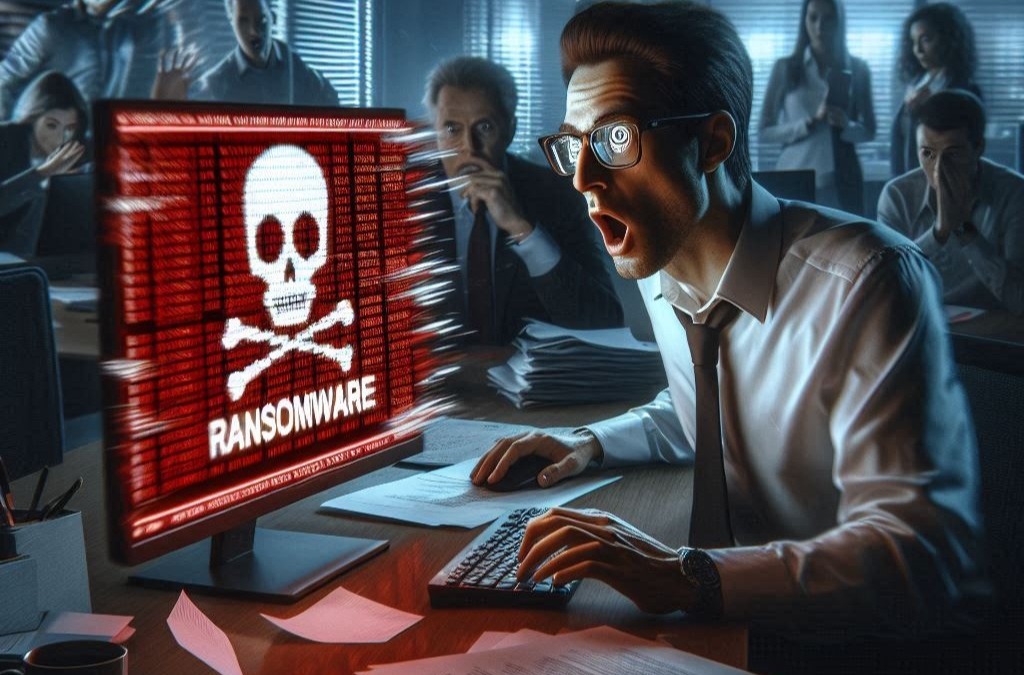
Hear “disaster recovery” and you might picture only big headlines like ransomware or floods. But often it is the small hiccups that cause a bigger headache, things like accidental file deletion, the wrong update, or a quick local power cut.
This is where disaster recovery as a part of the usual routine comes in. Backups aren’t just boxes to tick for compliance. They need to happen regularly, be stored off-site where they’re safer from unexpected trouble, and be tested much like you run a fire drill, so you know they’ll work when you need them.
When something does go wrong, you want a plan so every staff member knows what to do. No racing around, no confusion, just quick, steady action. These response plans, paired with solid support from external managed IT providers, keep teams calm on stressful days. Clear roles give the whole hospital the confidence that recovery is just another process, not an emergency.
A cloud-based backup solution, like those delivered by ItVisions, safeguards clinical and business data, making sure information remains recoverable in any scenario.
Balancing Uptime with Team Bandwidth
The reality for hospital IT is that there’s always more work than hours in the day. Most hospital IT managers juggle everyday running fixes with big, long-term compliance jobs. Small teams watch systems around the clock, but with never-ending updates and compliance requirements, things can get swamped.
Trying to stretch already pressed staff for more projects or sharper compliance can lead to burnout. This is when it helps to look for managed support. Letting a trusted partner handle network monitoring, patching, or backup checks is not about losing control, but about giving your own staff breathing room to focus on the parts nobody else can do.
Support from outside can also help with the things that eat up time and energy, like compliance prep, gap checks, and audit paperwork. Instead of trying to know every technical rule, managers can rely on experts to keep things up to scratch and ready for assessments. Many hospital teams start breathing easier once they realise that external support is not an admission of defeat; it is simply a smarter way to share responsibility.
Staying Online Keeps Patients First
The real point of uptime and resilience is not technology, but people. Smoother systems mean nurses waste less time staring at spinning wheels, doctors can pull up results fast, and patients move through their care more easily.
Dependable IT is about making sure little cracks don’t grow into gaps that stop care. With regular checks, working plans, and the right kind of back-up, both the technical team and the people they support start to feel less on edge. The difference grows clearer with every quiet night shift, every smooth handover, and every patient who gets prompt, safe care.
That sense of trust is built over time. Every seamless interaction, every error-free patient move, and every quick system recovery builds a hospital community where both clinicians and patients know they’re in safe hands. Knowing help is always there, whether that’s monitoring, backup, or a calm voice at the other end of the phone, keeps care running at its steady best, no matter what the day or night brings.
Keeping clinical systems running isn’t about luck; it’s about having the right support, the right checks and the right team behind you when things get tight. When your IT crew is working around the clock with little room to spare, sharing the load can make everyone breathe easier. We help healthcare teams stay steady with ongoing monitoring, patching and smart updates as part of our broader approach to managed IT network services. At ItVisions, we understand what’s at stake when systems stall, and how to keep that from happening. Let’s talk about what would make your workday smoother.