

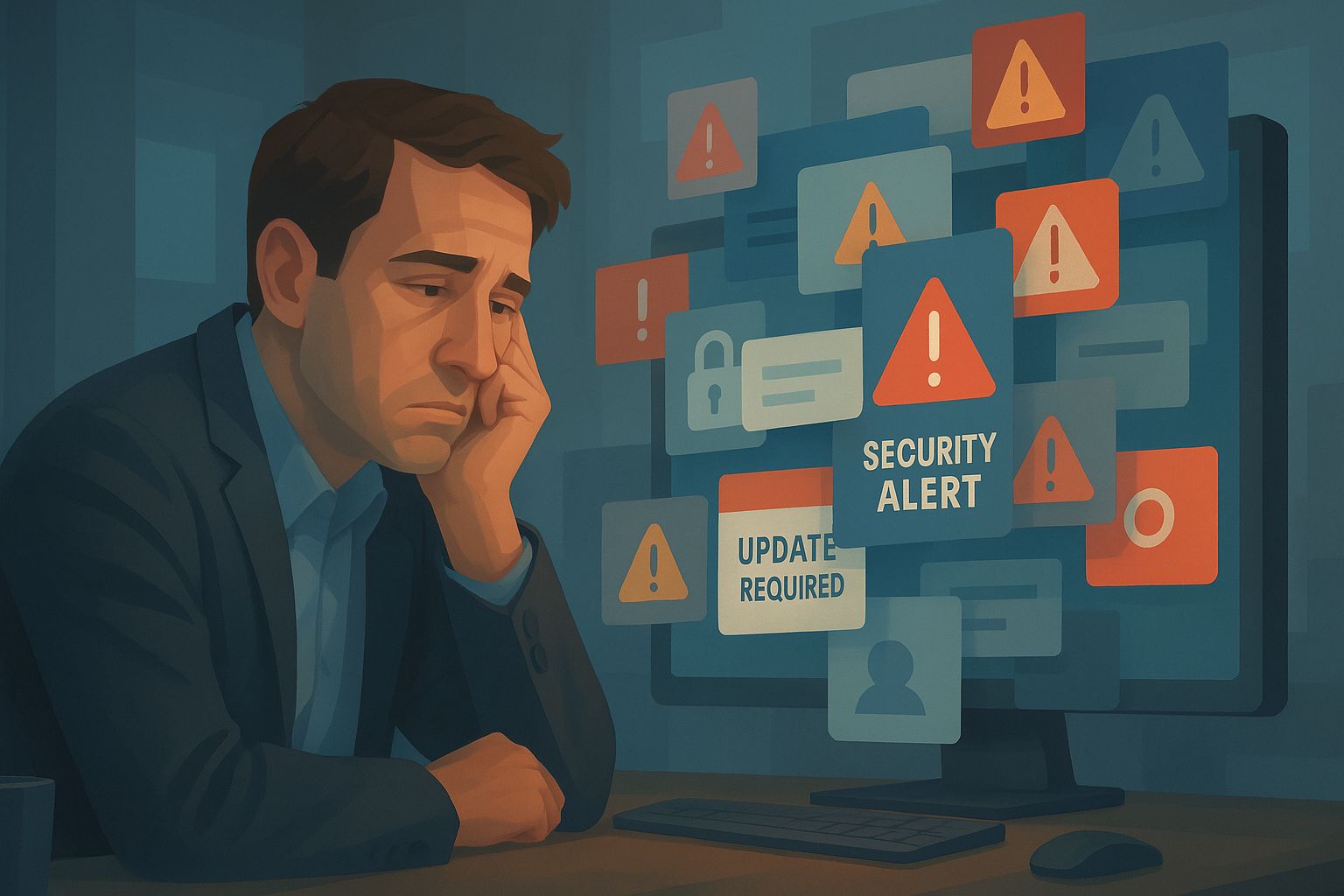
Running a mining operation today involves more than just extracting valuable resources from the ground. For CIOs, particularly in mining sectors, securing both operational technology (OT) and information technology (IT) is a significant challenge. These leaders must bridge gaps between traditional systems and modern innovations while keeping compliance, safety, and system uptime in check. The challenge becomes real when attempting to unify older OT with newer IT, all without exposing security vulnerabilities. Thankfully, there are practical strategies that CIOs can adopt, each designed to safeguard workers and streamline operations.
Many in the mining industry face similar pressures. Balancing legacy systems, which are often fraught with security risks, with newer IT demands rigorous planning. The pressure isn’t just technical but also emotional. Concerns about ransomware attacks, compliance liabilities, and operational efficiency weigh heavily. The stakes are high, with potential outages costing millions, and a cyber breach could endanger human lives. Thankfully, by conducting thorough risk assessments, adopting zero-trust models, and implementing strategies like the Essential Eight Controls, mining CIOs can move forward with more clarity and peace of mind.
When it comes to technology in mining, there’s a distinct difference between OT and IT. Understanding these differences is crucial for bridging the gap. OT refers to the hardware and software systems that manage industrial operations, such as sensors, controls, and machinery monitoring. On the flip side, IT deals with data management, communication systems, and computing technologies. Both play important roles, yet they function differently within a mining environment.
The challenge in merging these two lies in their contrasting foundations. OT systems tend to be purpose-built, designed for long-term stability, and often have longer life cycles. IT systems adapt quickly, changing with new updates and evolving threats. Combining the two can create friction points or security gaps. That’s why thoughtful planning and close coordination matter.
Add to this the practical issues. Remote sites often struggle to attract technical talent, slowing down upgrades. At the same time, OT and IT teams can carry different priorities. IT might focus more on data confidentiality and uptime, while OT leadership could prioritise physical safety and automation reliability. Getting both sets of experts aligned requires open, ongoing communication and shared goals.
To build a stable foundation for integration, joint risk assessments need to come first. This isn’t just an IT checklist. It’s a chance to see the operation as a full system, identify vulnerabilities, and take clear action.
Here’s a straightforward way to do it:
What makes this approach powerful is the collaboration it encourages. When different departments come together for a collective review, blind spots close. Whether it’s the control room technician or the IT security admin, each voice helps shape a shared understanding of what’s truly at stake.
Zero-trust has become a bit of a buzzword, but when done right, it’s incredibly practical. It works on a simple belief: no one is trusted automatically, even inside your network. Every request to access a resource must be verified, every time.
Start with network segmentation. You’ll want to separate OT and IT traffic where possible, so if an issue happens in one zone, it doesn’t cascade through the system. Strong identity controls come next. Opt for multi-factor authentication where feasible, so even if a password is stolen, it can’t be used on its own. Then add full-time monitoring. Look for patterns, alert on anomalies, and make it part of daily operations.
More than a technology fix, zero-trust is a mindset shift. It’s about expecting some level of risk and designing your environment to withstand it. Get your team used to this approach early and let it shape work routines and policies.
The Essential Eight are strategic controls that help reduce threats—particularly in systems that weren’t originally designed with today’s digital risks in mind.
Start with:
These aren’t flashy changes. But together, they form a strong base that helps prevent lateral movement across your network and limits the blast radius if something does go wrong.
Even with every block in place, no system is perfect. That’s why building resilience is just as important. What happens when something slips through the cracks?
A solid disaster recovery plan is where it begins. Know how to respond during a cybersecurity incident across your entire tech mix. Clarify which systems are restored first, how communication flows, and who coordinates which part of the response.
Then train your people. Host regular awareness sessions. Run mock incidents. The best defences only work if your team knows what to do. Building muscle memory in quiet times makes all the difference when under pressure.
Resilience isn’t a one-time project; it’s how you stay ready over time.
Take a mining company out in the western United States. They were facing repeated slowdowns thanks to growing gaps between their OT setup and newer cloud services. With support, they introduced zero-trust access policies and phased in the Essential Eight across older systems. Recovery times dropped, staff confidence rose, and third-party auditors gave positive alignment feedback.
One small win snowballed into broader adoption across sites, laying the groundwork for future automation programs. Better still, it sparked constructive dialogue between OT and IT staff who had rarely spoken before beyond outages. That’s the impact of practical, shared approaches.
To stay ahead, keep updates and visibility high on your action list. Unpatched or unmonitored systems are magnets for attackers. System monitoring tools now provide real-time visibility into both IT and OT environments, helping you catch issues earlier.
Stay engaged with industry bulletins. Participate in mining and cybersecurity working groups where you can. Standards are shifting as technology evolves, and being active in these updates ensures you respond before changes affect compliance or insurance conditions.
When planning upgrades, aim for solutions that blend easily into both environments and are vendor-supported. The smoother the integration, the less downtime risk you carry.
CIOs in mining often feel pressure to avoid disruption, even for necessary fixes. But the right tools can help maintain uptime while improving safety.
Start by prioritising changes. Tackle low-risk updates when operations are quiet. Deploy changes in a test environment when available, and roll them out in stages. Solutions like conditional access controls and virtual patching help protect systems even when full fixes aren’t feasible immediately.
Technologies that give both IT and OT visibility—without needing constant human oversight—can reduce manual effort and build confidence. If done right, these tools bring security and uptime closer together, not further apart.
Bringing OT and IT together doesn’t happen overnight. But with the right steps—joint risk assessments, a zero-trust mindset, reliable controls, and steady upgrades—you create a foundation that protects people and productivity alike.
For many CIOs, the real gain isn’t just security. It’s peace of mind. It’s knowing backup recovery works. It’s seeing fewer panicked alerts. And it’s having tools you can stand behind when audits or emergencies roll in.
The work you do today creates tomorrow’s stability. And that’s always worth building on.
Securing your mining operation involves more than just integrating OT and IT systems; it’s about maintaining resilience and compliance in an ever-shifting landscape. By leveraging proven strategies like risk assessments and zero-trust frameworks, your business can protect against potential threats. To explore how business technology consulting could optimise your systems, ItVisions is here to help you strengthen your IT landscape and support long-term operational success.

Setting an effective IT roadmap is like drawing a detailed map for a long journey; it guides your business by outlining current capabilities, future aspirations, and the steps needed to reach those goals.
As businesses grow and external factors shift, it becomes important to revisit and revise this roadmap to ensure your IT strategies continue to align with changing priorities. Whether it’s responding to new market demands, adopting innovative technologies, or adjusting to internal shifts, the ability to adapt can make all the difference in maintaining a competitive edge.
When business priorities change, so too should your IT roadmap. This doesn’t just mean updating your list of projects but realigning them to continue supporting the business’s main goals. For many, this task can seem quite challenging.
Effective communication between departments, being proactive in identifying changes, and having a structured approach to reevaluating the roadmap are some ways to tackle this issue. Let’s delve deeper into recognising changing business priorities and explore some practical steps to adapt your IT roadmap successfully.
Understanding when and why business priorities change is the first step in ensuring your IT roadmap remains relevant and efficient. Here are common scenarios that could signal a shift:
– Market Conditions: Fluctuations in the market can prompt a shift in company priorities. Whether it’s new competition or a change in consumer demand, staying alert to these changes can indicate when your IT focus needs adjustment.
– Regulatory Changes: Industries often face new regulations that require businesses to adapt quickly to remain compliant. These changes might necessitate upgrading or replacing certain IT systems.
– Internal Growth: As a company grows, its internal processes and resource needs may evolve. Expansion might mean new office locations, an increase in staff, or even a shift in company culture, all of which can affect the IT roadmap.
Recognising that your IT roadmap requires revision isn’t always straightforward. It involves keeping an eye on certain clues that point towards a needed change. For example, if the IT department is frequently reacting to new requests rather than working on planned projects, it might indicate a gap between the current roadmap and actual business needs.
Similarly, adopting a new business strategy without reviewing the existing IT plan can lead to misalignment. Regular communication between IT and other departments helps in spotting these red flags early, ensuring a proactive rather than reactive approach to IT planning.
Once you’ve identified a shift in business priorities, the next step is to revisit your IT roadmap. This process involves several key actions to make sure your IT strategies continue to support your new objectives.
Start by conducting an audit of your existing technology and systems. This means taking inventory of all your hardware, software, and network components to see what you have. Essentially, you want to figure out what’s working well and what might be causing hiccups in achieving your business goals. Are any systems outdated, or maybe some solutions overlap unnecessarily? These are critical questions to resolve, as they will guide your future IT investments and adjustments.
Communication is key when forming IT strategies that align with new business goals. Share the new priorities with your IT team to let everyone understand how their efforts fit into the company’s broader vision. Once the IT team has a clear grasp of these changes, determine which IT objectives need adjustment or overhaul. For instance, if expanding to a new location becomes a priority, you might need more robust network support or additional cybersecurity measures. Setting clear, updated IT goals ensures everyone is on board and moving in the same direction.
With new objectives in hand, reevaluate your resources. This means reassessing your budget to prioritise spending on technology that supports your revised roadmap. Consider whether your staff requires training to effectively handle new systems or technologies. Allocating the right resources in the right places is fundamental to a successful transition. It might be worthwhile to compile a list of necessary updates or purchases to streamline this process.
As you execute changes based on the revised IT plan, introduce them in phases to keep disruptions minimal. This approach lets your team adjust to new technologies or processes without overwhelming them. While rolling out these changes, keep a close eye on their impacts. Regular monitoring helps in identifying areas that need tweaking along the way, whether that’s fine-tuning a new software tool or shifting resources to a different part of your IT infrastructure.
Sometimes, bringing in outside help can offer the clarity and expertise needed for a smooth transition. Consulting with IT professionals who specialise in roadmap planning can provide valuable insights that might not be apparent internally. These experts can bring fresh perspectives, helping to identify gaps in your current IT structure while offering solutions that align with your updated goals.
Another advantage of external consultants is their familiarity with best practices across various industries. They can suggest technologies or strategies that have proven successful elsewhere, tailoring these to suit your company’s specific needs. External expertise can act as a bridging point, ensuring that the transition to a new roadmap is both efficient and comprehensive.
After revising and implementing your new IT plans, establish a continuous review process. This means routinely checking in on the roadmap to keep it aligned with ongoing changes in the business setting. Encourage ongoing dialogue between the IT department and other parts of the business. Regular feedback loops help catch shifts in priority early, setting up your IT strategy to adapt smoothly in the future.
Fostering a culture of open communication and adaptability ensures your IT roadmap remains agile and capable of meeting new demands. By prioritising these efforts, you ensure your business is well-prepared to keep moving forward, regardless of changes that lie ahead. Adjusting the IT roadmap is a continuous journey rather than a one-time project, setting your company up for success well into the future.
To keep your business on track and ensure long-term success, having a flexible plan is key. If you’re ready to take the next steps in roadmap planning and align your IT strategies with shifting business priorities, consider exploring how our managed IT services at ItVisions can support these transitions. Get in touch to discover how we can help you adapt and thrive in today’s dynamic environment.



Small businesses often juggle multiple tasks daily, leaving little time to manage intricate technology needs. Managed IT services offer a solution by handling these tech duties, allowing business owners to focus on what they do best. These services provide essential support, helping businesses stay competitive without the hassle of dealing with complex IT issues themselves.
Engaging a managed IT provider means having experts monitor your systems, keep your data safe, and ensure everything runs smoothly. This proactive approach not only saves time but also enhances the overall security of your operations. By reducing downtime and preventing potential IT problems, businesses can operate more efficiently and ultimately save money.
As technology evolves rapidly, staying updated can be a daunting task for small businesses. Managed IT services provide ongoing support and expertise, ensuring your business keeps pace with new developments. This partnership can help future-proof your operations and align your tech with business goals, setting the stage for sustainable growth.
Managed IT services involve outsourcing day-to-day IT management responsibilities as a strategic method for improving operations and cutting expenses. These services cover a wide range of IT tasks like network monitoring, data security, and system backups. They provide businesses with access to expertise and robust support without the need to hire a full-time IT team.
A managed IT service provider takes on the responsibility of maintaining IT infrastructure, allowing businesses to focus on their core activities. These services are particularly beneficial for small businesses that may not have the resources to manage complex IT systems independently. The provider ensures that businesses have the most recent technology and systems in place to operate efficiently.
Managed IT services offer several key advantages for small businesses. Here are a few notable benefits:
– Cost-Effective: By outsourcing IT services, small businesses can reduce the cost of hiring and training full-time staff.
– Access to Expertise: Businesses get access to a team of experts who can handle a variety of IT challenges and provide valuable insights.
– Improved Security: With continuous monitoring and updates, businesses benefit from enhanced protection against cyber threats.
– Focus on Core Operations: With IT tasks handled, small businesses can focus on growth and strategic initiatives.
By understanding and utilising managed IT services, small businesses can enhance their efficiency and reduce operational risks.
System monitoring and support are essential components of managed IT services. They ensure that a business’s IT infrastructure runs smoothly and efficiently at all times. Continuous monitoring helps identify issues before they become severe problems, preventing potential downtime and disruptions to operations.
With proactive system support, businesses can benefit from:
– 24/7 Monitoring: Constant oversight of system performance to quickly identify and resolve any issues.
– Performance Optimisation: Regular updates and maintenance to keep systems running at optimal levels.
– Troubleshooting: Immediate support to resolve technical issues and minimise downtime.
Data security is a primary concern for businesses today. Managed IT services provide reliable data backup and recovery solutions to protect critical business information. Regular backups ensure that data is secure and easily retrievable in the event of a system failure or data breach.
Key aspects of data backup and recovery include:
– Automated Backups: Regularly scheduled backups to maintain data integrity and availability.
– Quick Recovery: Efficient recovery processes to restore data swiftly after any loss or corruption.
– Secure Storage: Safe and compliant data storage solutions that protect sensitive information.
By focusing on these components, businesses can ensure robust IT infrastructure and secure data management.
Selecting the right managed IT service provider is crucial for gaining the maximum benefit. Businesses should consider several key factors to ensure they find the best fit for their needs. First, evaluate the provider’s expertise in areas such as system monitoring, cloud solutions, and network management. This expertise is vital for maintaining a solid and secure IT environment.
Consider the provider’s industry experience, especially if your business operates within specific sectors like mining or resources. A provider familiar with your industry will better understand your unique challenges and offer tailored solutions. Also, examine their customer service track record by checking reviews and asking for references. Reliability in support and quick issue resolution is paramount.
Look at how well the provider’s services align with your business goals. Check if they offer scalable solutions that can grow with your business to ensure long-term success. Finally, the cost of services should reflect value and quality, not just the lowest price.
When engaging with potential IT providers, ask important questions to understand their offer:
– What specific services do you provide, and how do they align with our needs?
– How do you ensure the security and privacy of our data?
– Can you provide references from similar businesses in our industry?
– What are your response times for support and issue resolution?
– How flexible are your packages, and can they scale as our business grows?
These questions help ensure you select a provider who meets both current and future business needs.
Aligning IT strategies with business goals is essential for maintaining efficiency and supporting growth. A good managed IT service provider helps tailor such strategies to fit your unique business requirements. This alignment ensures your technology supports and drives your overall objectives, rather than hindering them.
To maximise efficiency, assess which technology implementations directly support business operations. Integrate solutions that automate redundant tasks or improve communication, such as collaboration tools and management software. By aligning technology with business operations, small businesses can streamline processes and create a cohesive working environment.
Future-proofing is about preparing your business for coming changes in technology. Managed IT services play a key role in this by offering scalable technology solutions and keeping systems updated. They monitor trends and innovations, helping businesses adapt and remain competitive without frequent disruptions.
– Scalable Solutions: Adopt technology that grows with your business needs, avoiding unnecessary upgrades.
– Regular Updates: Ensure all systems are timely updated to close security gaps and improve performance.
– Continual Monitoring: Stay ahead of issues with proactive monitoring and planned maintenance.
By focusing on these areas, businesses can stay resilient and ready for technological advancements.
Navigating the modern business landscape requires smart use of technology. Managed IT services offer small businesses a way to manage their IT needs efficiently, allowing them to focus on growth and strategic initiatives. By choosing the right provider, you ensure your operations remain smooth and secure, backed by expert support.
Managed IT services help align your technology with business objectives, providing a solid foundation for growth. With effective strategies and future-proof plans, your business can keep pace with technological change and maintain its competitive edge.
For small businesses ready to enhance their IT infrastructure and boost their operational efficiency, ItVisions is here to help. Our managed IT support services ensure your technology is not just supportive but central to your success. Discover how we can assist you in aligning IT strategies with your business goals and adapting to future technological changes. Visit our website to learn more about our offerings and speak with our team today.