
Cyber Security: Education, Training, and Awareness
Why They’re Not the Same, and Why That Matters
Cyber security isn’t just a technical issue—it’s a cultural one.
As organisations face increasingly sophisticated threats, the conversation has shifted from tools and systems to people and behaviours. That’s where education, training, and awareness come in. These three pillars are often mentioned together, but they serve different purposes. Understanding the distinction is key to building a resilient security culture.
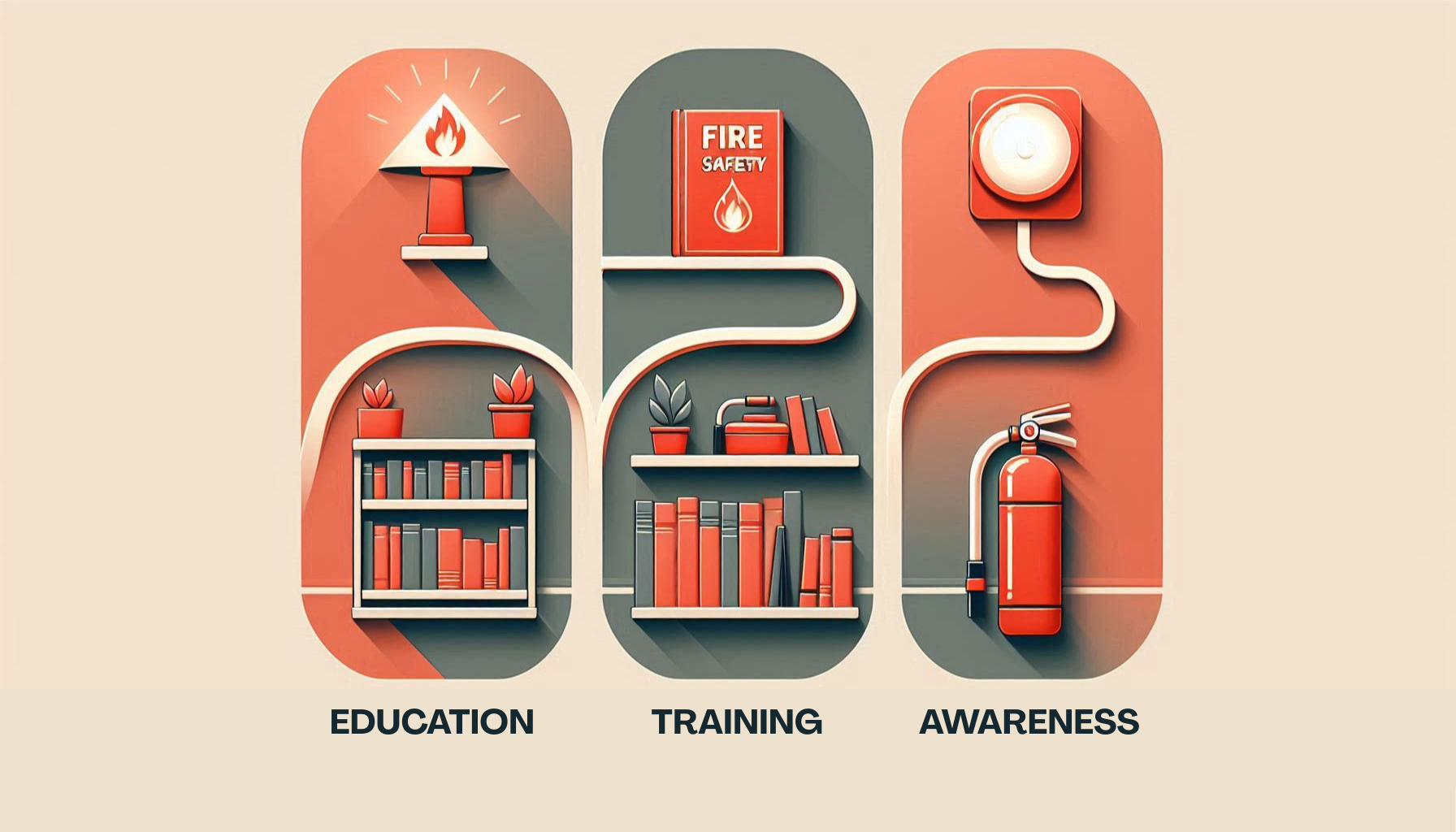
Let’s break it down with a simple metaphor: preparing for a fire.
- Education is learning how fire behaves—how it starts, spreads, and can be controlled.
In cyber security, education means understanding the principles behind threats and defences. It’s about the “why”: why phishing works, why data needs protection, why security matters. This kind of learning is typically delivered through structured programs and is essential for building informed decision-making.
- Training is the fire drill. It’s practical, hands-on, and focused on action.
In a cyber context, training teaches people what to do—how to identify a suspicious email, how to report an incident, how to use secure systems. It’s tailored to roles and responsibilities, helping staff respond effectively when it counts.
- Awareness is the fire alarm. It’s the ongoing reminder that risk exists and that vigilance is necessary.
Cyber awareness keeps security top of mind through campaigns, posters, simulations, and conversations. It doesn’t teach new skills, but it reinforces good habits and encourages alertness.
Each element plays a role, but none is enough on its own.
- Education builds understanding.
- Training builds capability.
- Awareness builds attentiveness.
Together, they create a culture where security is part of everyday thinking—not just a checklist or a compliance exercise.
This culture shift doesn’t happen overnight. It requires leadership support, consistent messaging, and engagement across the organisation. Everyone—from executives to frontline staff—needs to see cyber security as part of their job, not someone else’s.
Just like fire safety is embedded into how we design buildings and conduct daily routines, cyber security must be woven into how we work, communicate, and make decisions. When that happens, security becomes second nature—and that’s when real change begins.