
How to Fix Unstable Network Connections in Multi-Office Environments
Maintaining stable network connections across multiple offices is a significant challenge for many businesses. In a city like Melbourne, known for its diverse business landscape, seamless connectivity is critical for operations. Companies rely on stable networks to coordinate activities, communicate with clients, and ensure uninterrupted service delivery. However, various factors can lead to network instability, causing disruptions that affect productivity.
The importance of reliable network connections can’t be overstated. An unstable network may result in delayed responses, interrupted communication, and sometimes lost data, which can all hurt a business’s reputation and efficiency. Understanding what causes these issues and how to address them can help maintain smooth operations, whether you’re in the heart of Melbourne or any similar digital hub.
Identifying Common Causes of Unstable Network Connections
Understanding the root causes of network instability is the first step in addressing them. Here are some typical issues that can lead to network troubles, especially in an environment where multiple offices are connected:
– Hardware Failures: Routers, switches, and other physical components can wear out or fail, leading to interrupted connectivity. Ensuring regular maintenance checks and timely replacements can mitigate hardware-related issues.
– Software Bugs: Networks rely heavily on software to function correctly. Bugs or outdated software can cause glitches or complete failures. Regular updates and patches help keep software running smoothly.
– Inadequate Bandwidth: As companies grow and data usage increases, insufficient bandwidth becomes a problem. It’s crucial to assess the network’s capacity and upgrade as necessary to accommodate growing demands.
Varying office locations and setups add another layer of complexity. Different environments may face unique challenges, such as interference from external networks or materials that block signals. An office in a high-rise building may experience different connectivity issues compared to one in a suburban setting.
Recognising these factors and their impact on network stability allows businesses to put effective strategies in place to overcome potential hurdles. This in-depth understanding ensures that companies remain connected, competitive, and capable of meeting their operational demands.
Implementing Effective Network Solutions
Addressing stability issues is essential for maintaining smooth network operations across different office locations. Employing targeted network solutions can help solve these challenges. One approach is upgrading to a managed network service. This type of service provides continuous monitoring, ensuring network components function properly and any potential problems are dealt with immediately.
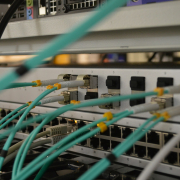
Another effective method involves improving network infrastructure. Installing high-quality routers and switches can enhance system performance by offering more reliable connections. Additionally, using structured cabling helps avoid the tangled mess that can lead to poor connectivity. It’s also important to perform regular audits to identify any weak points in the infrastructure that might need attention.
Here’s a quick list of actions to boost network stability:
– Regular firmware updates to ensure all devices operate with optimal security and performance.
– Using redundancy techniques like dual internet connections to provide a backup in case the primary one fails.
– Implementing a bandwidth management plan that prioritises critical business applications.
Leveraging Advanced Technologies for Stability
Technologies such as SD-WAN and cloud services have revolutionised network solutions, offering new ways to ensure stable connections. SD-WAN, or Software-Defined Wide Area Network, uses software to manage network traffic, making it adaptable to various conditions. It optimises data flow and minimises bandwidth limitations by intelligently routing traffic along the best paths.
Cloud services play a crucial role in maintaining network stability too. By hosting applications and data in the cloud, businesses lessen the dependency on physical servers at each location. This setup can dramatically reduce the pressure on local networks, especially for businesses with high data demands.
An example of these technologies in action is a company that uses SD-WAN to keep its main office connected to a satellite office in a remote area. This ensures both locations have equal access to vital resources without overloading the network.
Wrapping Up
Stable and secure network connections form the backbone of efficient operations in any multi-office setup. By understanding the common causes of instability and implementing targeted solutions, businesses can maintain seamless operations. Technologies like SD-WAN and cloud services provide advanced options that streamline data flow and improve reliability, making them invaluable for businesses looking to enhance their network performance. As you consider improvements, keep these key strategies in mind to ensure your network serves your business needs effectively.
To maintain a seamless operation across different office locations, integrating effective network solutions is key. Explore how ItVisions’s expertise in crafting tailored network solution strategies can enhance connectivity and reliability for your business. For more insights and support, reach out to our team anytime.