


In today’s world, where technology is at the forefront of business operations, effective collaboration is key to success. Yet, many workplaces find themselves struggling to foster genuinely collaborative environments. This is especially true in larger cities like Melbourne, where diverse teams often work across different time zones and backgrounds. Breaking down barriers and creating a culture that encourages teamwork and open communication is critical. Seamless collaboration is not just about using the right tools; it’s about creating environments where ideas flow freely and teams work in harmony, ultimately boosting productivity and job satisfaction.
The importance of easy and efficient collaboration can’t be understated. When every team member is on the same page, goals align seamlessly, tasks are completed faster, and the workplace becomes a more enjoyable place to be. A well-connected team can adapt quickly to changes, overcome challenges efficiently, and create innovative solutions. As you explore how to enhance your workplace, consider the real benefits of investing time and resources into building a truly collaborative environment.
Despite the many advances in technology, assorted hurdles still impact collaboration. In modern workspaces, one of the common issues is the communication barrier. This often arises from the use of disconnected or outdated communication tools, or simply the lack of an effective communication strategy. When team members aren’t clear on expectations or outcomes, confusion ensues, causing delays and hindering progress.
Technology can also present its own challenges. Many offices rely on a mix of old and new technologies, creating inconsistencies that frustrate team members trying to work together efficiently. For instance, using incompatible software or hardware can slow down collaborative processes, leaving team members playing catch-up.
Lastly, differing work styles can lead to friction between coworkers. Some people thrive in fast-paced environments, while others prefer a systematic and deliberate approach. These differences can be tricky if there’s no framework to guide how team members interact and collaborate.
These challenges can negatively impact productivity and morale. When frustration levels rise, engagement drops, which can lead to declining work quality and increased turnover. It’s important to assess these issues and start addressing them to cultivate a positive and proficient working environment.
Improving workplace collaboration often begins with smart strategies and the adoption of effective tools. Consider using collaboration software like Microsoft Teams or Slack. These platforms foster communication by allowing team members to share information instantly, ensuring everyone is on the same page. With features such as group chats, video calls, and file sharing, these tools reduce much of the friction that can slow productivity.
To enhance teamwork, companies should also encourage regular meetings and workshops. Meetings, when done right, can keep everyone aligned on project goals and progress. Workshops offer a space for creativity and solving specific issues in a group setting. These gatherings help address misunderstandings early on and reinforce a culture of openness and feedback. A team that communicates well is more adaptive and innovative.
Incorporating a few key strategies can make a big difference in team dynamics:
– Establish clear communication protocols to avoid confusion about project details.
– Schedule regular check-ins to track progress and address potential roadblocks.
– Encourage open dialogue by creating a safe space for sharing ideas and concerns.
Today’s modern workplace often relies heavily on technology, and choosing the right tools can significantly enhance collaboration. Cloud-based platforms, for instance, offer seamless access to documents and project updates from anywhere. This means team members can collaborate in real-time without being physically present in the same office.
Integrated project management tools also play a vital role. Software like Asana or Trello helps teams organise tasks, assign responsibilities, and follow up on deadlines efficiently. These tools streamline the workload and provide clarity, ensuring that nothing falls through the cracks.
Adopting such technologies comes with several advantages:
– Enhances flexibility, allowing remote work without sacrificing productivity.
– Centralises information for easy access and tracking.
– Encourages accountability by clearly outlining tasks and deadlines.
To keep collaboration thriving, it’s important to adopt sustainable practices. Regular feedback loops, where team members share insights and suggestions, can improve processes over time. Continuous learning opportunities, such as training sessions, help team members stay updated on new tools and methods, keeping collaboration fresh and effective.
Leadership also has a vital role in shaping how collaboration unfolds. Supporting a culture where feedback is encouraged and valued promotes a more cohesive team. Additionally, celebrating successes and acknowledging collaborative efforts boosts morale and strengthens team ties.
Implementing these practices ensures a consistent and successful collaborative environment:
– Create a culture of trust where team members feel valued.
– Regularly review processes and tools to keep them relevant and effective.
– Invest in training to help teams learn and grow together.
By taking these steps, businesses can foster environments where teamwork isn’t just a buzzword, but an ingrained part of daily operations and long-term success strategies.
Enhancing a modern workplace doesn’t have to be challenging. By adopting effective collaboration strategies and using the right technology, businesses can create an environment where teamwork thrives. To see how you can build a more connected and productive work culture, learn more about how ItVisions can support your goals through a modern workplace approach.


Technology is transforming workplaces into more efficient and flexible spaces. With the right tech upgrades, businesses can boost connectivity and enhance collaboration among team members, whether they’re in the office or working remotely. These changes not only make daily operations smoother but also prepare companies for future challenges by ensuring they stay agile in an ever-evolving digital landscape.
A strong tech foundation involves updating network infrastructure and adopting tools that facilitate seamless communication. Security is also crucial as companies move more operations online, necessitating advanced measures to protect data. Embracing automation helps streamline tasks and frees up valuable time for your team to focus on strategic activities.
Flexible work environments are becoming the norm, and modern technology supports this shift by offering tools that facilitate remote and hybrid work models. By embracing these changes, businesses can create a workspace that is functional and empowering for their employees.
A strong network infrastructure is essential for any modern workplace. It acts as the backbone, allowing for smooth communication and data transfer. To improve connectivity, consider upgrading to a high-speed fibre-optic internet. This ensures stable and fast internet access, accommodating more users and devices without slowing down the process.
Additionally, implementing a robust Wi-Fi system with strategic placement of access points extends reliable connection across all areas of the office. This setup prevents dead zones and minimises interruption during important tasks.
Invest in network switches and routers that can handle increased data loads. Look for features such as Quality of Service (QoS), which prioritises critical tasks or applications, ensuring they get the bandwidth needed.
Maintaining network health is crucial. Use system monitoring tools to track performance and detect issues before they escalate. This helps in making informed decisions about when further upgrades may be necessary.
With remote work becoming common, equipping teams with the right tools is vital for seamless collaboration. Video conferencing platforms, like Zoom or Microsoft Teams, enable face-to-face meetings no matter where your team is located. These tools support chat, file sharing, and integrated calendars to streamline communication.
Project management tools such as Trello or Asana help in organising tasks and deadlines. They allow team members to track progress and stay on top of their responsibilities with ease.
For document collaboration, services like Google Workspace or Microsoft 365 offer cloud-based solutions. These allow multiple users to work on documents simultaneously, ensuring everyone has access to the latest version.
Equipped with the right tools, teams can communicate effectively and maintain productivity levels whether they’re working in the office or from home.
As cyber threats become more sophisticated, businesses need to boost their defences. Start by implementing a firewall and antivirus software to guard against malware and unauthorised access. Regularly updating these systems keeps them effective against the latest threats.
Consider using multi-factor authentication (MFA) for all user accounts. MFA adds an extra layer of security by requiring additional verification steps, such as a code sent to a mobile device, making it tougher for unauthorised users to gain access.
Employee training is pivotal. Educate your staff about recognising phishing attacks and the importance of safeguarding sensitive information. Awareness is a vital component in preventing security breaches.
Regular security audits and vulnerability assessments identify potential weaknesses in your system, allowing you to address them proactively. Enlist experts or use automated tools to conduct these checks effectively.
Storing data on the cloud offers enhanced security features. Cloud providers invest heavily in securing their platforms, often offering better protection than on-premises solutions.
Encryption is key in cloud storage, ensuring data remains unreadable to unauthorised users. Look for services that offer end-to-end encryption and regularly update encryption protocols.
Cloud solutions enable backup and recovery plans, which are crucial for data protection. In the event of a data loss incident, these plans ensure critical information is retrievable, minimising downtime.
By adopting advanced security measures and utilising secure cloud solutions, businesses can protect their sensitive data while ensuring seamless and secure access.
Automation in the workplace simplifies repeated processes, which frees up time for teams to focus on more strategic tasks. Using automation reduces human error, as tasks are completed consistently and accurately. For businesses, this means higher productivity and improved efficiency without increasing the workload on employees.
Automating routine tasks is beneficial in managing inventory, processing data entries, and handling customer inquiries. Automation tools can handle these repetitive tasks quickly, allowing businesses to run smoothly. Moreover, automated systems can work 24/7, ensuring that essential operations continue without downtime, which is especially useful in customer service roles.
Automisation enhances agility, allowing businesses to adapt to changes more quickly. Teams can focus on improving processes, ensuring they remain competitive and responsive to market demands.
Adopting the right automation tools is crucial for streamlining operations. Several tools are available to assist, depending on your needs.
1. IFTTT (If This Then That): Connects different apps and devices, enabling automated actions when certain conditions are met.
2. Zapier: Connects apps and automates workflows, allowing data to move between them effortlessly.
3. Power Automate: Automates workflows across Microsoft services, helping businesses manage complex processes easily.
4. Trello: While primarily a project management tool, it offers automation features to simplify task management.
These tools help manage tasks efficiently, improve coordination among team members, and foster productivity.
Modernising office spaces involves integrating technology that supports flexibility and productivity. Start with smart office solutions like interactive displays and wireless charging stations, which enhance convenience and efficiency.
Adopt IoT devices to automate lighting, temperature, and even security systems. These smart solutions contribute to a comfortable office environment while optimising energy usage. Include adjustable workstations, which offer flexibility for different working styles and promote better posture and health.
Video conferencing systems are essential for connecting with remote colleagues and partners. Equip spaces with the latest audiovisual technology for seamless communication and presentations.
Successfully supporting remote work requires the right set of tools. Virtual private networks (VPNs) ensure secure access to company resources from any location. This security makes remote work not only possible but also safe.
Cloud-based productivity suites like Google Workspace or Microsoft 365 allow remote teams to collaborate and access files in real time. These tools eliminate the geographical barriers to teamwork. Communication platforms like Slack or Microsoft Teams facilitate instant messaging and video calls, keeping everyone in the loop.
Project management tools are also vital. They keep projects on track and ensure deadlines are met, regardless of where team members are located. With the right tools, remote work becomes an extension of the office environment, maintaining productivity and engagement.
Upgrading to a modern workplace involves making strategic choices about which technologies to integrate and how to implement them effectively. Enhancements in connectivity, security, automation, and flexibility create an environment primed for efficiency and growth.
These updates not only address current challenges but also future-proof businesses. By creating an adaptable workspace, businesses can attract talent, improve employee satisfaction, and increase overall productivity. Technology plays a key role in fostering collaboration, creativity, and innovation.
Implementing these upgrades provides a solid foundation for modern workplaces. It’s about creating spaces where employees can work effectively and comfortably, supported by the latest advancements in technology.
For businesses looking to upgrade their technology solutions, ItVisions provides the expertise and services needed to transform your workplace effectively. As your business technology partner, we offer tailored network, cloud, and security solutions, as well as ensure your business remains competitive in today’s fast-paced world. Reach out to us to start your journey towards a more efficient and flexible workplace.


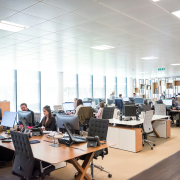
Workplaces have transformed significantly with the advent of new technologies. These changes have reshaped how teams communicate and collaborate, allowing for more flexible and efficient working environments. Whether working in a bustling office or remotely from across the globe, tech-driven collaboration has become essential for success.
One of the main benefits of adopting these technologies is the enhancement of teamwork and productivity. Tools that enable instant communication, quick file sharing, and seamless task management help bridge the gap between team members, ensuring everyone stays on the same page. The result is a more cohesive workflow that boosts overall efficiency and employee satisfaction.
As more businesses embrace this modern approach, understanding and implementing the right tech tools becomes increasingly important. With the right insights, organisations can choose solutions that fit their unique needs, create a supportive work culture, and navigate collaboration challenges with ease.
Work environments have undergone significant transformations over time. From rows of cubicles to open-plan spaces and now to virtual offices, the workplace has continuously adapted to meet the evolving needs of businesses and employees. This evolution has been largely driven by advancements in technology, which have enabled more dynamic and flexible working arrangements. The modern workplace now thrives on the principles of connectivity and collaboration, dissolving geographical barriers and fostering a truly global workforce.
One key factor in this change is the shift towards remote and hybrid working models. Employees are no longer confined to a traditional office setting. Instead, they can work from virtually anywhere, thanks to reliable internet access and powerful digital tools. This flexibility not only improves work-life balance but also expands talent pools for companies, as they can hire the best candidates irrespective of location.
Tech-driven collaboration brings several advantages to the modern workplace. By using digital tools, teams can communicate faster, share ideas seamlessly, and manage tasks more efficiently. These tools simplify workflows and bolster productivity by keeping everyone aligned with business goals.
Effective collaboration tools also ensure everyone remains focused on their tasks. For instance, team members can organise workflows more easily, keep track of assignments, and receive updates in real time. This clarity of roles and responsibilities can enhance employee satisfaction, as teams are better equipped to work together without confusion or delays. Additionally, these tools support a collaborative culture that encourages innovation and creative problem-solving.
Communication platforms form the backbone of a modern workplace. They include a variety of tools designed to facilitate instant messaging, video conferencing, and file sharing amongst team members. These platforms break down communication barriers and ensure that everyone stays connected and informed, whether in the office or remote.
Popular communication platforms include:
1. Microsoft Teams: A comprehensive tool that supports chat, video meetings, and collaboration on documents.
2. Slack: Known for channel-based communication, allowing teams to organise discussions efficiently.
3. Zoom: Favoured for its high-quality video conferencing capabilities suitable for meetings and webinars.
Each of these platforms brings unique features that cater to different communication needs, enhancing the ways teams interact and cooperate on projects.
Project management software is essential for organising tasks and resources effectively. These tools allow teams to track progress, set deadlines, and prioritise tasks, enabling smooth project execution from start to finish. By providing a structured approach to managing work, they help prevent bottlenecks and ensure projects are delivered on time.
Some widely used project management tools include:
– Asana: A versatile platform for setting tasks, managing timelines, and visualising project roadmaps.
– Trello: Utilises boards and cards to organise tasks, making it easy to track progress at a glance.
– Jira: Commonly used in agile development environments to manage workflows and facilitate team collaboration.
These tools improve coordination and help teams stay on top of their workloads. By maintaining an organised work environment, businesses can enhance productivity and achieve their goals more efficiently.
Integrating different collaboration tools can dramatically enhance productivity by creating a seamless workflow across your organisation. When various software applications work together, teams can execute tasks more efficiently without constantly switching between platforms. This integration ensures that data flows smoothly from one system to another, reducing errors and increasing transparency.
Using integrated tools enables teams to consolidate their communication, project management, and reporting functions, streamlining day-to-day operations. Platforms like Microsoft Teams, which offer integrations with countless apps including SharePoint and Dynamics 365, serve as hubs where all necessary information can be accessed quickly. This integration helps keep everyone aligned with a clear view of project timelines, responsibilities, and updates.
Automation and Artificial Intelligence (AI) further enhance modern workplace productivity. By automating repetitive tasks, employees can focus on more strategic activities that require human ingenuity. Automation tools can handle tasks like email sorting, data entry, and scheduling, freeing up time for more important work.
AI tools also offer insights that improve decision-making. For instance, AI-powered analytics can identify patterns and trends, helping teams make informed decisions faster. This technology also facilitates personalised experiences, ensuring tools adapt to the specific needs of teams and individuals. Implementing AI within your operations can transform how tasks are managed, providing significant gains in efficiency and productivity.
Security remains a primary concern in today’s collaborative environment. With increased data sharing across multiple platforms, protecting sensitive information is paramount. Companies must implement robust security measures, such as encryption and multi-factor authentication, to shield data from breaches.
Education plays a critical role in maintaining security. Employees should receive regular training on best practices for data protection, including recognising phishing attempts and ensuring secure document sharing. By promoting awareness, organisations can empower their teams to be proactive in combating potential threats.
Introducing new collaboration tools often brings challenges with user adoption. Employees may be resistant to change, especially if they’re not familiar with the technology. Providing comprehensive training programs can ease this transition, helping individuals understand the features and benefits of new tools.
Organisations should also encourage feedback to improve user experiences. Regular check-ins and open communication allow employees to voice concerns and suggest improvements, fostering a culture of collaboration and innovation. Ensuring user-friendly interfaces and ongoing support can allays many common barriers to adoption. With the right strategies, teams can quickly adapt to new tools, driving better outcomes and engagement.
The rapidly evolving landscape of the modern workplace presents a multitude of opportunities for businesses. By integrating the right tools and ensuring a focus on security and training, companies can build a collaborative culture that drives innovation and success. Embracing these technologies not only boosts efficiency but also enhances employee satisfaction, making the workplace adaptable and resilient to future changes.
By unlocking the potential of tech-driven collaboration, organisations can stay ahead in an ever-competitive world. The key to success lies in selecting the right mix of tools and fostering an environment where technology and humans work in perfect harmony.
Are you ready to elevate your team’s collaboration? ItVisions is the perfect business technology partner, and we’re here to help you navigate this transition with our expert technology consulting services. Whether you need assistance integrating cloud solutions or enhancing your network infrastructure, our team can tailor solutions to your unique needs. Let’s work together to create a seamless and productive modern workplace. Reach out to us today to get started!
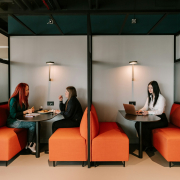
Creating a modern workplace involves more than just designing a sleek office space. It requires thoughtful integration of technology to foster flexibility, boost productivity, and ensure security. The way we work is changing rapidly, and adopting the right tech solutions can make a workplace more dynamic and efficient.
Flexible work environments are crucial as more people balance their professional and personal lives. Technology supporting remote collaboration ensures that employees stay connected and productive, regardless of their location. This flexibility can lead to a happier and more engaged workforce.
As businesses strive to enhance efficiency, smart technologies provide valuable tools for automating tasks and improving communication. These technologies streamline operations, freeing up time for creativity and complex problem-solving. Furthermore, ensuring that robust security measures are in place is vital to protect sensitive information and maintain compliance with data regulations. Preparing for future technological advancements can help a business stay competitive in an ever-evolving market. With the right tech, organisations can create a workplace that supports growth and adapts to change effectively.
Flexible work environments thrive when employees can seamlessly collaborate from anywhere. Effective remote collaboration requires robust tools that support real-time communication and teamwork. Video conferencing platforms like Zoom and Microsoft Teams allow face-to-face meetings without geographical constraints. These tools facilitate quick and efficient communication, reducing the need for lengthy email exchanges.
Project management software like Trello and Asana keeps everyone on the same page by organising tasks and timelines. These platforms offer visibility into ongoing projects, helping teams prioritise tasks and track progress. Cloud-based file-sharing services, such as Google Drive or OneDrive, ensure everyone has access to the latest documents and can work simultaneously on shared files.
A reliable internet connection and secure Virtual Private Networks (VPNs) provide access to essential resources while keeping data safe. These collaboration tools empower employees to work from anywhere, boosting productivity and job satisfaction.
Balancing work and life can be challenging, but the right technology can help. Remote work tools enable employees to structure their days in a way that works best for them. By eliminating the need for daily commutes, employees can reclaim valuable time, allowing for a healthier balance between work and personal commitments.
Using time-tracking apps helps employees manage their tasks efficiently, ensuring they meet deadlines without overworking. These apps assist in identifying peak productivity hours, allowing individuals to focus on important tasks when they are most alert.
Notifications and digital planning tools assist in setting boundaries and reminding employees when to take breaks, reducing burnout. By implementing technology that supports flexibility, organisations can create an environment where employees feel in control of their schedules and more engaged in their roles.
Streamlining daily tasks is crucial to enhancing productivity. Automation tools minimise manual processes, such as data entry or scheduling, allowing employees to concentrate on core responsibilities. Software like Zapier connects different apps and automates workflows, saving time and reducing the risk of errors.
Automated customer service tools, like chatbots, handle routine inquiries, freeing employees to tackle more complex issues. This efficiency not only improves response times but also boosts customer satisfaction. Tools like IFTTT (If This Then That) enable simple automations for repetitive tasks, further easing the workload.
Automating routine operations enhances overall productivity by letting employees focus on strategic activities. This approach can lead to faster decision-making and improved outcomes.
Effective communication is key to a productive workplace. Implementing platforms that streamline interactions can make a significant difference in how teams work together. Unified communication platforms, which combine messaging, email, and video calls, simplify exchanges and reduce the chaos of juggling multiple tools.
Instant messaging apps, like Slack, foster quick decision-making and spontaneous brainstorming sessions. These platforms keep teams connected and engaged, enabling instant feedback and sharing of ideas. They also offer integration with other tools, helping centralise all activities in one place.
Efficient communication platforms contribute to a cohesive work environment, reducing misunderstandings and improving team dynamics. By selecting the right tools, businesses can enhance communication flow and boost overall productivity.
Safeguarding sensitive information is a top priority for any organisation. Implementing strong security measures helps protect company data from breaches and unauthorised access. Start with encryption technologies to secure data both in transit and at rest. This ensures that only authorised users can access critical information, reducing the risk of data leaks.
Regular security audits and penetration testing identify potential vulnerabilities in the system. These practices help ensure that security measures remain effective against evolving threats. Implementing two-factor authentication and user access controls adds another layer of security, restricting access based on roles and responsibilities.
Creating an incident response plan prepares organisations to act swiftly in case of a security breach, minimising potential damage. Educating employees on cybersecurity best practices, such as recognising phishing attempts, further strengthens overall security. By prioritising these measures, businesses can protect their information and maintain customer trust.
Compliance with data protection laws is mandatory for businesses handling personal information. Understanding and adhering to regulations like the General Data Protection Regulation (GDPR) ensures that companies process data lawfully. Implementing policies for data handling and storage safeguards compliance and protects customer privacy.
Regular training sessions keep employees updated on compliance requirements, fostering a culture of responsibility regarding data protection. Establishing clear privacy policies and obtaining consent for data collection help demonstrate compliance to stakeholders.
Monitoring systems continuously for compliance helps identify gaps and implement necessary adjustments. By aligning operations with data protection regulations, businesses not only avoid legal repercussions but also demonstrate commitment to ethical practices and customer care.
Scalability is a vital factor when planning for future growth. Scalable network and cloud solutions accommodate increasing workloads and expanding teams without the need for major overhauls. These flexible solutions allow businesses to adapt quickly to changing demands and embrace opportunities efficiently.
Investing in modular software systems enables companies to easily add or upgrade functionalities as required. This approach supports seamless integration, ensuring that organisations remain agile in response to technological advancements. Engaging Managed IT Services ensures that scalable solutions are implemented effectively, keeping infrastructure robust and responsive.
Understanding your organisation’s long-term goals helps in choosing solutions that provide room for expansion. By focusing on scalability, businesses can confidently adapt to growth and ensure continuity in their operations.
Staying ahead in the technology landscape involves leveraging emerging technologies that drive innovation. Incorporating tools like artificial intelligence (AI) and big data analytics can revolutionise operational efficiency and decision-making processes. AI-driven systems can automate complex tasks, offering insights that improve business strategies.
Investing in the Internet of Things (IoT) enhances connectivity and data collection, opening new avenues for optimising processes. Exploring blockchain technology can offer secure and transparent transactions, valuable in sectors like mining and resources.
Collaborating with technology consultants helps organisations identify which emerging technologies align with their goals. By staying informed and open to innovation, businesses can leverage these technologies to gain a competitive edge and spur growth.
Creating a modern workplace with the right technology involves strategic choices that enhance flexibility, productivity, and security. By embracing advanced tools, streamlining processes, and ensuring compliance, businesses position themselves to thrive in a fast-paced environment.
ItVisions is committed to guiding organisations in making these transformative decisions. Whether you need managed IT services in Melbourne or bespoke technology solutions, our expertise in creating efficient and secure work environments will set you on the path to success. Engage with us today to discover how we can help turn your workplace into a modern, dynamic hub.